
Marston at War
Marston
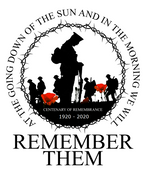
In the Cheshire village of Marston, it's Sunday 28th June 1914 and the weather is warm. Many have attended Saint Paul's Church and now making their way back to spend the rest of the day with family and friends.
Reading the newspaper after Sunday lunch, people chat about the issues of the day. Still, just local news is of interest, national and international news was for the Government and businesses to worry about. That is the advantage of being cocooned within a close village community, everyone knows everyone.
It's a tough life, but we don't know any different. The average house back then would cost you £192, but with an average weekly wage of just 26 shillings and 4d, owning your own home was for the wealthy – reading the newspaper 'look at this' said Father! One of those mechanical contraptions called a motor car; being sold for £220! You can buy a house for that', I can't see those things catching on' father laughed.
Most
men in the area work for the local salt mine, often with a company
house. The average number of rooms for a house, which included the kitchen,
was four, and with an average household of eight people, things are
pretty cramped.
But life will always get better if you work hard, that's what father and mother always said....
On
this same Sunday, and hundreds of miles away in Serbia, events were
unfolding which the Marston community were oblivious too. Today would
be the start of a struggle that would cost the lives of 28 Marston
Lads and devastate the village. Over the next four years every single
house in the area would be either directly or indirectly
affected.
Life from this point would never be the same again.
On this same day, 28th June 1914, the Austrian Archduke Franz Ferdinand and his wife, together with their driver,
were all assassinated by Bosnian revolutionary, Gavrilo Princip.
This single act was not solely responsible for the outbreak
of the first World War; but it was the catalyst and the trigger that
would set in motion a conflict which would lead to approx 20 million
deaths and over 22 million wounded, leaving local communities
grieving as they lost their golden generation.
Kitchener’s Army and the Marston Lads

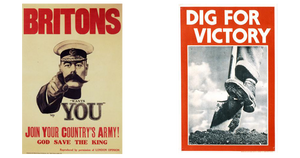
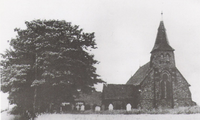
In August 1914, Lord Kitchener appealed for volunteers to expand Britain’s Army. Among the new formations were the “Pals battalions”, recruited from the same towns, workplaces and communities. Friends, neighbours and workmates could enlist, train and serve together. These familiar bonds helped build comradeship, but they also meant that heavy casualties in one battalion could bring devastating losses to a single community.
The Cheshire Regiment shared in this local recruitment. Its 13th (Service) Battalion, known as the Wirral Battalion, was formed at Port Sunlight in September 1914 and attracted many volunteers from the Lever Brothers works. James Venables, remembered on Marston’s war memorial, served with this battalion. He was killed on the Somme on 7 July 1916.
The Marston Lads
The Marston Lads served in different battalions and regiments. Their shared village connections extended through families, neighbouring streets and work in the local salt and chemical industries. Although military service took them to different places, news of their deaths returned to the same small community.
For some families, grief came more than once. Walter Poole died of pneumonia during his military training in November 1916; his younger brother James was killed in October 1917. The Mathews family also lost two sons: Stanley in December 1917 and John Hollas in March 1918. These brothers served in different units, showing how repeated losses could strike a family even when its sons were apart.
Behind the names on Marston’s memorial are the lives of these men and the families who had to face their absence for the rest of their lives.
Historical sources: National Army Museum; The Long, Long Trail; Lever Brothers Roll of Honour.
Six years later
On the 13th November 1920, a Saturday, the crowds gathered around a brand new monument, the Marston Memorial. Funded by local business as well as the community; and for many who had lost sons, husbands, brothers, fathers and friends, it was their sole point of remembrance. For those fortunate enough to have been identified, they lie in a foreign land including France, Belgium, Germany, Egypt and Iraq, one sailor remains within his ship, sunk by a German u-boat in 1915. Marston lost two sets of brothers during the First World War.
300,000 soldiers killed in WW1 are still missing. They have no known grave.
In France, there are 1620 Commonweath War Grave Cemeteries, in Belgium, there are 372. If you visited a different cemetery every day, it would take you five years and 167 days to visit them all.
A simple name on the Marston Memorial is all families have left of their loved ones. On the 13th November 1920, the day is an emotional one.
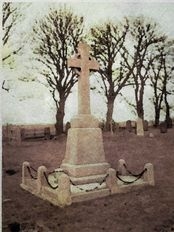
' Remembering The Marston Lads '
They shall grow not old, as we that are left grow old:
Age shall not weary them, nor the years condemn.
At the going down of the sun and in the morning.
We will remember them.

'Over The Hills & Far Away'